



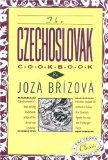
The Czechoslovak Cookbook
by Joza Brizova
Hardcover from Clarkson Potter
Media Published: 1965-04-13
ISBN: 0517505479
Joza Brizova
In Czechoslovakia, a country known for fine cooks, a copy of Varime Zdrave Chutne a Hospodarne graces nearly every kitchen. Now this best-selling Czechoslovak cookbook has been adapted for American use. The Czechoslovak Cookbook contains over 500 authentic recipes that convey the essence of Czechoslovak cuisine.
Hearty soups made from modest ingredients are one of the hallmarks of Czechoslovak cuisine. Contained in this volume are recipes for such favorites as Garlic Soup, Creamed Fish Soup, and Rye Bread Soup. Robust meat dishes include Ginger Roast Beef, Braised Beef with Vegetables and Sour Cream, Beef Goulash, Tartar Beefsteak, Mutton with Marjoram, Veal Cutlets with Mushrooms, Stuffed Breast of Veal, Veal Paprika, Roast Pork with Capers, Braised Sweetbreads, and a variety of pates.
The poultry and game chapter contains recipes for Chicken Paprika, Roast Capon, Roast Goose. Stuffed Roast Squab, Roast Hare with Sour Cream, and Leg of Venison with Red Wine.
The Czechs are particularly fond of meals centered around egg dishes and dumplings, for instance Baked Eggs with Chicken Livers, Farina Omelet, Noodle Souffle with Cherries and Nuts, Noodles with Farmer Cheese, Napkin Dumplings, Dumplings with Smoked Meat, and Sour Cream Pancakes. Rounded out with a vegetable dish like Sauteed Cabbage, Green Beans Paprika, or Stuffed Kale Rolls, these entrees make a tasty and inexpensive dinner.
The Czechs are justifiably famous for their baking, and The Czechoslovak Cookbook is full of delectable baked goods: Bohemian Biscuits. Crisp Potato Sticks, Salt Rolls, Pretzels, Christmas Twist, Checkerboard Cookies, Bishop's Bread, and Honey Cake.
Suitable for both the experienced cook and the novice who hasn't ventured beyond broiling a steak, The Czechoslovak Cookbook is a valuable asset to any kitchen.
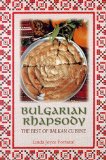
Bulgarian Rhapsody : The Best of Balkan Cuisine
by Linda J. Forristal
Paperback from Sunrise Pine Pr
ISBN: 0963918214
Bulgaria is a small Balkan country that gets little attention. On a visit in 1990, however, Linda Joyce Forristal fell in love with both the country and its food. In Bulgarian Rhapsody, she painstakingly presents Bulgarian cooking, placing emphasis on many of its full-flavored and colorful vegetarian dishes, though popular meat dishes are included as well.The Bulgarian kitchen is heavily influenced by Mediterranean cooking, not a surprise since the neighboring Turks occupied it for 500 years. Greece is also a neighbor, along with Romania and Yugoslavia. Bulgarians favor the slow cooking of stews and soups. They use fresh vegetables, particularly tomatoes, sweet red peppers, eggplant, zucchini, and potatoes. Stuffed grape leaves, phyllo pies, and mousaka--the Bulgarian spelling--will be familiar. Forristal offers a meatless mousaka made with zucchini and several kinds of plakiya, stews that are vibrant with tomatoes and onions, similar to dishes you find in Greek restaurants. The gyuveches are baked stews that resemble their Romanian counterparts. The typical meatless one made with string beans, tomatoes, eggplant, cabbage, potatoes, carrots, red and green bell peppers, and zucchini, resembles a ratatouille. The one made with sausages and red peppers is much simpler.
If you enjoy discovering new dishes, tutmanik, a quickbread made with cheese, and Baked Peppers Stuffed with White Beans are alluring. The potato salad seasoned with oregano and paprika is also different from the usual. Do ignore one technique Forristal uses: peeling roasted peppers under running water washes away much of their flavor. Better to leave a few charred specks of skin than to do this. --Dana Jacobi
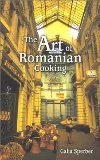
Art of Romanian Cooking, The
by Galia Sperber
Hardcover from Pelican Publishing
Media Published: 2002-05-31
ISBN: 1565549295
An excellent introduction to an inventive style of cooking, with over 200 recipes carefully explained for the home cook.
Discovering Sauerkraut
by Alice Wolczuk
Paperback from Caitlin
ISBN: 0920576435The author's love of good, comfortable food has had many a happy result, and this collection of unusual recipes is only the latest. She is an avid gardener who has grown lots of upscale vegetables, artichokes and asparagus among them, but she always goes back to the homey foods: potatoes, perogies - you can't find a better perogy than Alice makes - and sauerkraut. Here is sauerkraut as you never imagined it: as stuffing for perogies, in casseroles, even in chocolate cake. Delicious, nutritious, easy - sauerkraut is more versatile than anyone but Alice imagined.
Richard Fahlman, a well-known cook and inveterate collector of cookbooks, says: "I first realized that there was more to food than a full stomach when I was four and my grandmother placed a steaming platter of sauerkraut and sausage on the luncheon table. lt was love at first bite. Alice's cookbook has rekindled that passion and is a most welcome addition to my library. The noble cabbage has never been better served."
Search Amazon: Books on Eastern European Cooking Browse Amazon: Eastern European Cooking Search Wikipedia: Eastern European Cooking
Search This Site
Eastern European Cooking DVDs More Eastern European Cooking DVDs
|
Eastern European Cooking |

Copyright © 1997-2026 dropbears.com