



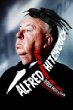
Alfred Hitchcock : A Life in Darkness and Light
by Patrick McGilligan
Hardcover from Regan Books
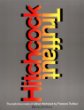
HITCHCOCK (REVISED EDITION)
by Helen G. Scott, Francois Truffaut
Paperback from Simon & Schuster
1985
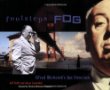
Footsteps in the Fog: Alfred Hitchcock's San Francisco
by Jeff Kraft, Aaron Leventhal, Patricia Hitchcock O'Connell
Paperback from Santa Monica Pr
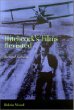
Hitchcock's Films Revisited
by Robin Wood
Paperback from Columbia University Press
The Women Who Knew Too Much
by Tania Modleski
Paperback from Routledge Kegan & Paul
1988The Dark Side of Genius: The Life of Alfred Hitchcock
A Hitchcock Reader
by Marshall Deutelbaum, Leland Poague, Marshall Deutebaum
Paperback from Iowa State University Press
1986
by Donald Spoto
Paperback from DaCapo Press
Alfred Hitchcock
by Paul Duncan
Paperback from TASCHEN America Llc
Hitchcock's Rear Window: The Well-Made Film
by John Wesley Fawell, Alfred Hitchcock
Hardcover from Southern Illinois Univ Pr (Txt)
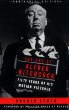
The Art of Alfred Hitchcock : Fifty Years of His Motion Pictures
by Donald Spoto
Paperback from Anchor
1991
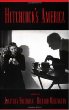
Hitchcock's America
by Jonathan Freedman, Richard H. Millington
Paperback from Oxford Press
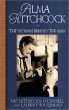
Alma Hitchcock: The Woman Behind the Man
by Pat Hitchcock, Laurent Bouzereau, Pat Hitchcock O'Connell
Hardcover from Berkley Pub Group
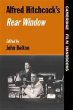
Alfred Hitchcock's Rear Window
by John Belton, Horton Andrew
Paperback from Cambridge University Press
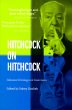
Hitchcock on Hitchcock: Selected Writings and Interviews
by Alfred Hitchcock, Sidney Gottlieb
Paperback from University of California Press
Everything You Always Wanted to Know About Lacan (But Were Afraid to Ask Hitchcock)
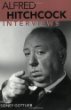
Alfred Hitchcock: Interviews (Conversations With Filmmakers Series)
by Sidney Gottlieb
Paperback from Univ Pr of Mississippi (Trd)
by Slavoj Zizek
Paperback from Verso Books
1992The Encyclopedia of Alfred Hitchcock (Library of Great Filmmakers)
by Gene D. Phillips, Thomas M. Leitch
Hardcover from Facts on File, Inc.
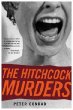
The Hitchcock Murders
by Peter Conrad
Paperback from Faber & Faber
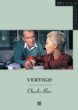
Vertigo
by Charles Barr
Book Description: In the 1992 Sight and Sound poll critics and filmmakers voted Vertigo the fourth greatest film of all time. Released in 1958, Hitchcock's masterpiece is a pinnacle of the cinema. Yet in it Hitchcock abandoned his trademark suspense, allowing the central mystery to be solved halfway through. What remained was a study in sexual obsession, as James Stewart's Scottie pursues Madeleine/Judy (Kim Novak) to her death in a remote Californian mission. Novak is ice-cool but vulnerable; Stewart-in the darkest role of his career-genial on the surface but damaged within. Though it seems to many to be Hitchcock's most personal film, Charles Barr argues that, like Citizen Kane, Vertigo is a triumph not so much of individual authorship as of creative collaboration. Barr documents the crucial role of screenwriters Alec Coppel and Samuel Taylor and by a combination of textual and contextual analysis explores the reasons why Vertigo has come to exert such a continuing fascination both on general audiences and on a wide range of critics and theorists.
Paperback from British Film Inst
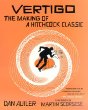
Vertigo : The Making of a Hitchcock Classic
by Dan Auiler
Vertigo is Alfred Hitchcock's masterpiece and perhaps his most personal film. To view it once is to be devastated. With each subsequent screening, most viewers notice bits of business, depths of thought, and stunning ironies that had previously eluded them. Vertigo is a riveting experience, haunting its fans in the same way that Scottie Ferguson (James Stewart) is haunted by the mysterious Madeleine Elster (Kim Novak).Upon researching the film, author Dan Auiler found that "this odd, obsessional, very un-matter-of-fact film was created" under "systematic, businesslike, matter-of-fact circumstances." His book gives us the opportunity to witness the construction of a film that seems at once amazing complex and absolutely seamless. He discusses the painstaking development of the screenplay (including its controversial explication of the mystery only two-thirds of the way through the film), the decision to cast Novak instead of Vera Miles opposite Stewart, the typically meticulous Hitchcock shoot, the film's amazing special effects and extraordinary credit and dream sequences, and the legendary musical score composed by Bernard Herrmann. Upon finishing the book, readers will appreciate the various contributions of Hitchcock, Herrmann, Stewart, Novak, actress Barbara Bel Geddes, Thomas Narcejac and Pierre Boileau (who wrote the book upon which it is based), uncredited scenarists Maxwell Anderson and Angus MacPhail, screenwriters Alec Coppel and Samuel Taylor, cinematographer Robert Burks, editor George Tomasini, costume designer Edith Head, and many others. The book includes a list of cast and crew, an appendix discussing the VistaVision process in which it was shot, a forward by Vertigo enthusiast Martin Scorsese, and hundreds of production photos, reproductions of memos, storyboard sketches, and posters. Vertigo: The Making of a Hitchcock Classic has enhanced even this avid fan's appreciation of a film he's long known and loved. --Raphael Shargel - Amazon.com
Paperback from Griffin Trade Paperback
Search: Alfred Hitchcock
»Click here for top sellers in Cinema History
Alfred Hitchcock on DVD More Alfred Hitchcock Movies

|
Alfred Hitchcock |
Copyright © 1997-2026 dropbears.com